Smartphone Design Elements Linking Signup Steps to Tiered Rewards in Portable Card Events
Clara Simon · Aug 25, 2026
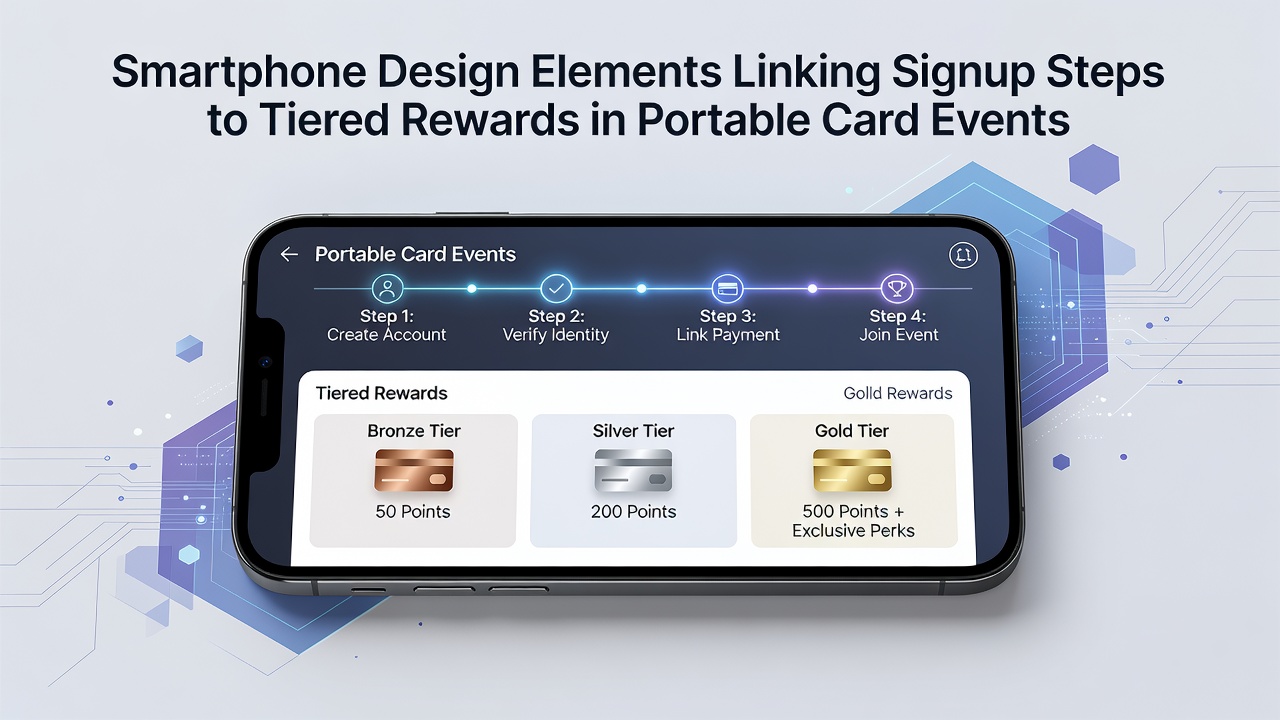
Smartphone Design Elements Linking Signup Steps to Tiered Rewards in Portable Card Events
Smartphone interfaces in portable card events connect initial registration sequences directly to structured reward systems through deliberate design choices in navigation, data collection, and visual progression indicators. These elements guide users from account creation into layered loyalty structures where participation levels determine access to escalating benefits such as entry fee reductions, priority seating in events, and additional feature unlocks.
Registration Sequence Architecture
Designers organize signup flows into modular steps that collect essential profile data while embedding prompts for reward program enrollment at natural transition points. Forms typically separate basic identity verification from preference settings, allowing users to complete core registration before encountering tier overview screens that display potential benefit pathways. Visual cues like progress bars and conditional highlighting direct attention toward options that align with immediate event participation, and this sequencing reduces drop-off rates according to interface analytics compiled by multiple platform operators.
Secure input fields for payment methods appear alongside reward eligibility indicators, creating a direct line between transaction setup and status advancement. In August 2026 several applications introduced conditional fields that auto-populate based on prior device data, shortening the process while maintaining compliance checkpoints required by regional gaming authorities. Observers note that these adjustments maintain continuity between signup completion and the first visible tier assignment.
Visual and Interactive Reward Integration
Icons, color gradients, and animated transitions represent tier thresholds within the same interface view that follows registration. Users encounter dashboard layouts where signup confirmation immediately populates a personalized progress meter showing distance to the next reward bracket. Tap targets for event entry link straight to tier-specific filters that highlight qualifying benefits without requiring separate navigation menus.
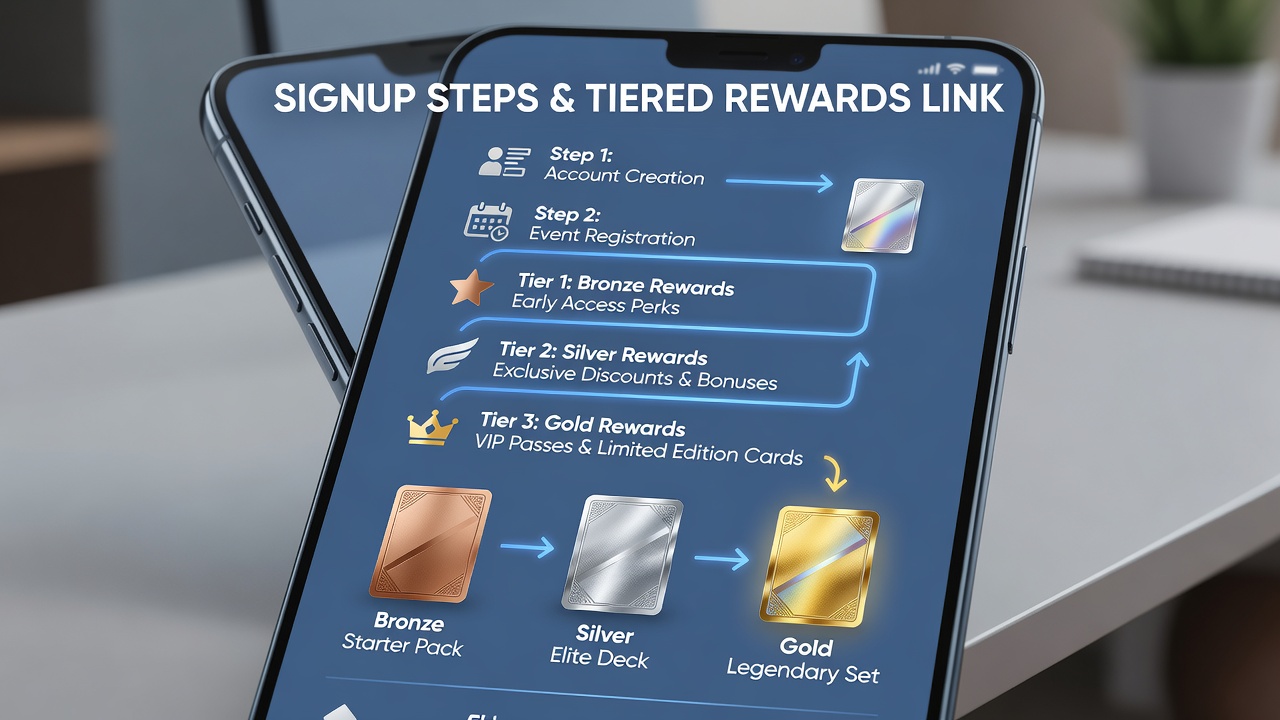
Button placement follows established mobile usability patterns, positioning primary action controls below explanatory text about current status and upcoming milestones. This arrangement allows users to move from account setup into event selection while retaining visibility of accumulated points or status markers. Research from the University of Nevada Reno's gaming technology group indicates that such integrated displays correlate with higher retention metrics across tested applications.
Data Flow and Security Considerations
Backend connections established during signup transmit verified information to reward engines without additional user intervention in most implementations. Encryption protocols protect transaction details and profile attributes as they feed into tier calculation systems, and notifications confirm successful linkage once initial participation occurs. Platforms maintain audit trails that map each registration element to subsequent reward events, supporting regulatory reporting requirements in jurisdictions where portable card events operate under licensed frameworks.
Support chat integration appears within the same post-signup flow, offering immediate clarification on how specific actions contribute to tier movement. This feature routes queries through secure channels that reference the user's newly created account data, ensuring responses align with actual reward eligibility rather than generic program descriptions. Canadian provincial regulators have documented similar support structures in their oversight of digital gaming interfaces, emphasizing transparency in how registration data influences long-term participation benefits.
Event Participation Pathways
Once users complete the linked sequence, event browsers display filtered options that reflect current tier standing. Swipe gestures or tab selections reveal reward multipliers applicable to specific card formats, and calendar integrations pull from the same profile database created at signup. These connections allow real-time updates when participation updates tier status, displaying revised benefit summaries without forcing users to exit the active event view.
Payment gateways remain accessible from within the reward dashboard, enabling quick deposits that simultaneously advance tier progress when structured promotions apply. Industry reports from the Interactive Games and Entertainment Association highlight how synchronized interfaces between registration, payments, and event access reduce friction points that previously separated account creation from sustained engagement in mobile card platforms.
Conclusion
Smartphone design in portable card events consistently links signup mechanics to tiered reward structures through sequential data handling, visual progression tools, and integrated support functions. These elements operate within established security and compliance parameters that vary by region yet share common technical approaches to user progression tracking. Continued refinements in interface connectivity maintain direct pathways from initial registration through ongoing event participation and status elevation.