Security Frameworks Governing Signup Sequences, Transaction Channels, and Elite Status Pathways in Smartphone-Enabled Card Tournaments and Ring Games
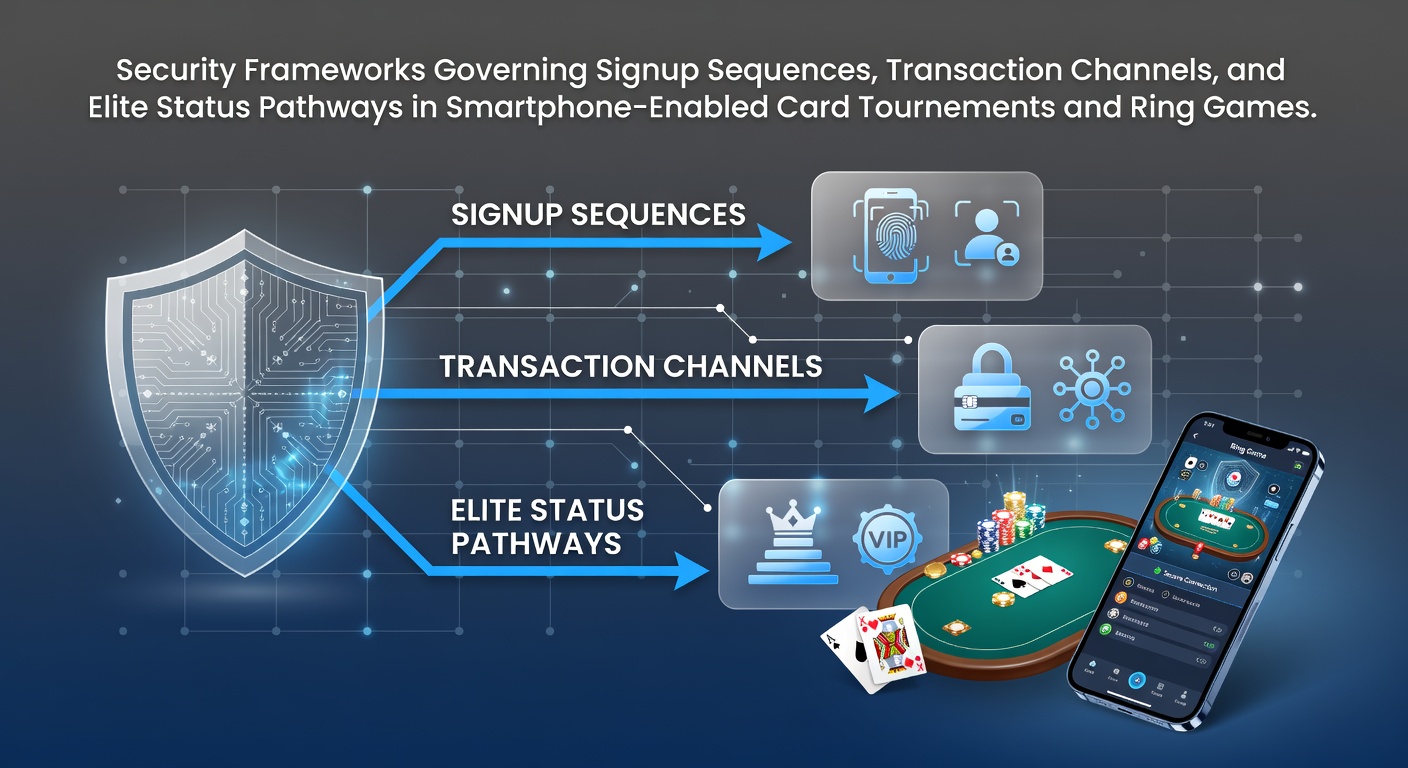
Security frameworks in smartphone-enabled card tournaments and ring games establish structured protocols that protect user data throughout signup sequences, transaction channels, and elite status pathways. These systems combine encryption standards, identity verification layers, and compliance measures to maintain integrity across mobile platforms where players engage in cash games and tournaments. Research indicates that such frameworks address vulnerabilities specific to handheld devices, including network interception risks and unauthorized access attempts.
Signup Sequence Protections
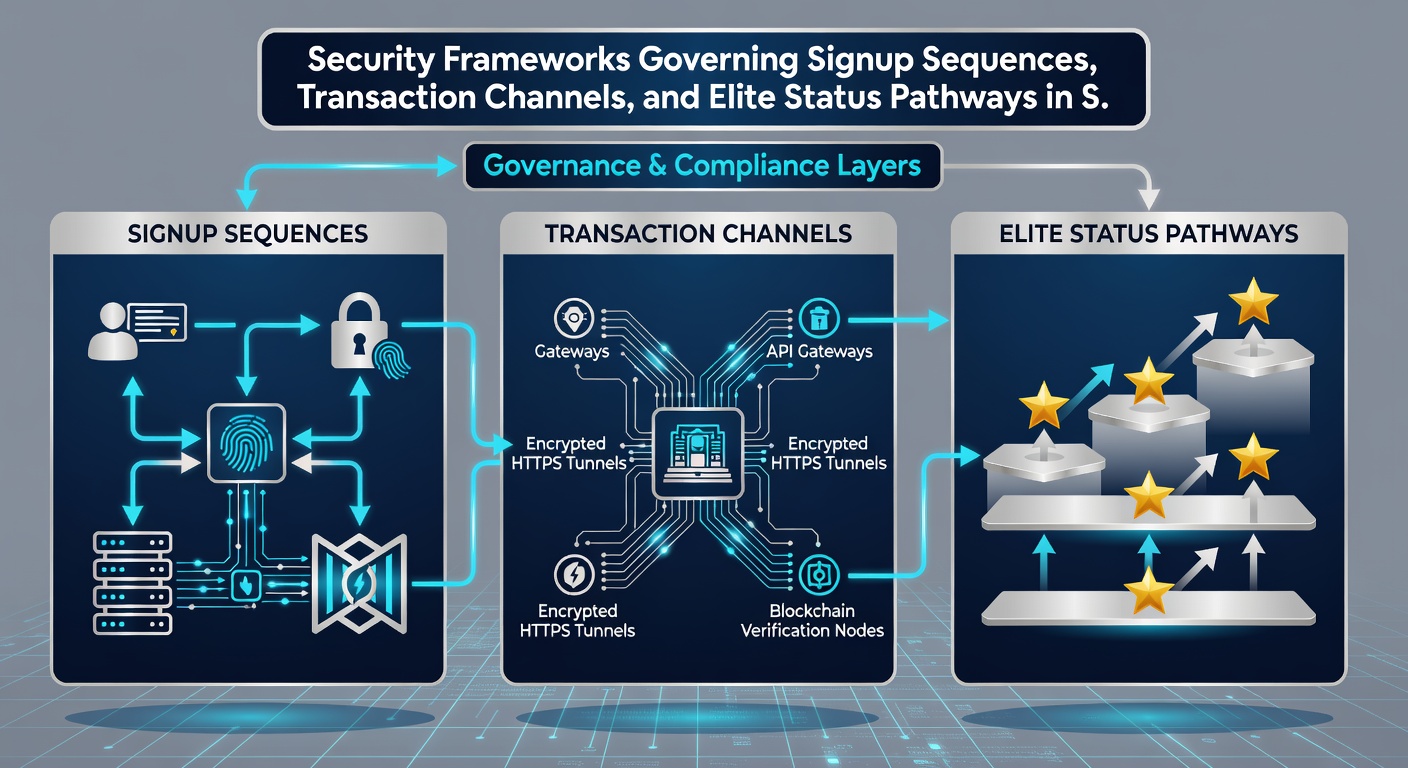
Signup sequences in these environments require multi-stage authentication processes that verify user identity before granting access to tournaments or ring games. Platforms integrate biometric checks, government-issued document uploads, and address confirmation steps which together form a layered defense against fraudulent accounts. Observers note that this approach aligns with broader cybersecurity practices where initial registration serves as the primary gatekeeper for subsequent activities like deposits and gameplay.
Data shows that many operators employ device fingerprinting during signup to detect patterns associated with multiple account creation or bot activity. This technique collects hardware and software signatures without storing unnecessary personal details, allowing systems to flag anomalies while users proceed through the sequence. Experts have observed that such measures become particularly relevant in May 2026 as regulatory updates in various jurisdictions emphasize enhanced digital identity standards for online gaming applications.
Transaction Channel Security
Transaction channels handle deposits, withdrawals, and in-game purchases through encrypted pathways that comply with established payment industry protocols. These channels utilize tokenization methods which replace sensitive card details with unique identifiers, reducing exposure during transfers between banking institutions and poker platforms. Researchers discovered that token-based systems lower breach impacts because compromised tokens cannot be reused across different merchants or sessions.
Payment gateways in mobile card environments often incorporate real-time fraud detection algorithms that analyze transaction velocity, geographic inconsistencies, and behavioral patterns before approving funds movement. According to information from the PCI Security Standards Council, adherence to data security requirements remains mandatory for any entity processing cardholder information in gaming contexts. Figures from the Nevada Gaming Control Board reveal that audited operators maintaining these standards experience fewer reported incidents related to financial data handling.
Elite Status Pathway Safeguards
Elite status pathways track player activity to award loyalty benefits while embedding security controls that prevent manipulation of reward accumulation. These pathways monitor metrics such as hands played, tournament entries, and deposit volumes through secure logging mechanisms that timestamp and encrypt each entry. People who've studied loyalty program architectures note that segmentation of user tiers occurs behind access-restricted databases which limit exposure to internal staff and external threats alike.
Integration of two-factor authentication for status redemptions adds another checkpoint where players must confirm identity changes or high-value reward claims. This practice connects directly to signup verification data, creating a continuous chain of custody from initial registration through advanced tier progression. In smartphone contexts, push notification approvals supplement traditional methods, allowing users to authorize actions without exposing full credentials on potentially compromised devices.
Regulatory and Compliance Overlaps
Multiple regulatory bodies influence how security frameworks operate across regions where smartphone poker operates. Compliance requirements often mandate regular penetration testing and vulnerability assessments which identify weaknesses in signup flows or transaction processing before exploitation occurs. Those who've examined industry reports find that platforms conducting these tests quarterly maintain higher resilience against evolving threat vectors compared to less frequent schedules.
May 2026 brings scheduled reviews in several markets that could refine data retention policies affecting elite status tracking. Such changes typically require operators to update their frameworks while preserving user privacy and transaction audit trails. Evidence suggests that cross-border operators face additional complexity when aligning mobile app security with varying national standards for financial services and gaming oversight.
Conclusion
Security frameworks continue to evolve alongside smartphone technology and player expectations in card tournaments and ring games. The combination of robust signup verification, protected transaction channels, and monitored elite pathways creates an interconnected system that supports safe participation. Ongoing developments in May 2026 and beyond will likely reinforce these structures through updated standards and technological refinements that address emerging risks without disrupting core gameplay experiences.