Navigating Reward Ecosystems in Mobile Card Games: Registration Sequences, Support Networks, and Promotion Pathways
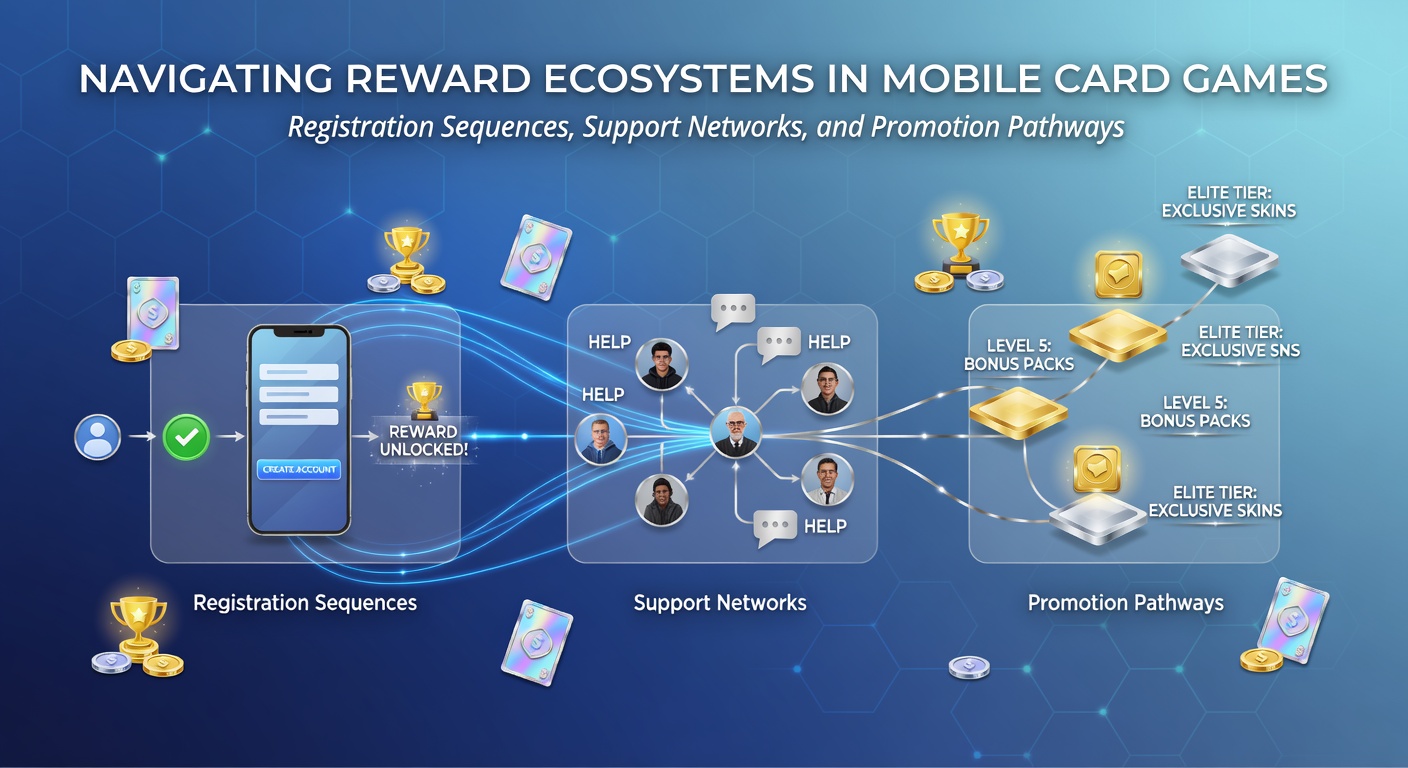
Players entering mobile card game environments encounter structured reward ecosystems that link initial registration sequences directly to ongoing support networks and layered promotion pathways, creating interconnected systems that govern access to bonuses, loyalty tiers, and advancement opportunities across various platforms. These ecosystems operate through precise sequences where account creation triggers verification steps, deposit integrations, and eligibility checks that determine subsequent reward access, with data from regulatory bodies indicating consistent patterns in how these processes unfold across regions.
Registration Sequences and Initial Access Points
Registration sequences in mobile card games typically begin with basic profile setup followed by identity verification protocols that comply with regional standards, such as those outlined by the Nevada Gaming Control Board for digital operations. Users provide email, device details, and payment information while navigating multi-factor authentication that secures accounts and unlocks entry into reward structures, where early deposits often activate introductory bonuses tied to specific game modes like cash games or tournaments. Observers note that seamless integration between signup flows and payment gateways reduces friction, allowing players to move from account activation to active participation within minutes, while rule applications ensure compliance with age restrictions and geographic limitations enforced through IP checks and documentation uploads.
Complex multi-clause processes emerge when platforms incorporate social logins or biometric options alongside traditional methods, connecting registration data to centralized databases that track user history and prevent duplicate accounts, thereby shaping eligibility for future promotions. Those who've studied these systems find that variations in sequence design appear across different card game applications, with some emphasizing rapid verification for instant reward credits and others requiring additional steps like phone confirmations that extend timelines but enhance security frameworks.
Support Networks Facilitating User Progression
Support networks form critical bridges within these reward ecosystems by providing real-time assistance through integrated chat systems, email channels, and FAQ repositories that address queries related to account setup, bonus claims, and promotion navigation. Live chat features often connect users directly to representatives who guide them through technical hurdles during registration or clarify terms for ongoing rewards, with platforms maintaining 24-hour availability to accommodate global player bases across time zones. Research from the Australian Communications and Media Authority highlights how effective support integration correlates with higher retention rates in digital gaming environments, where timely interventions resolve issues that might otherwise disrupt promotion pathways.
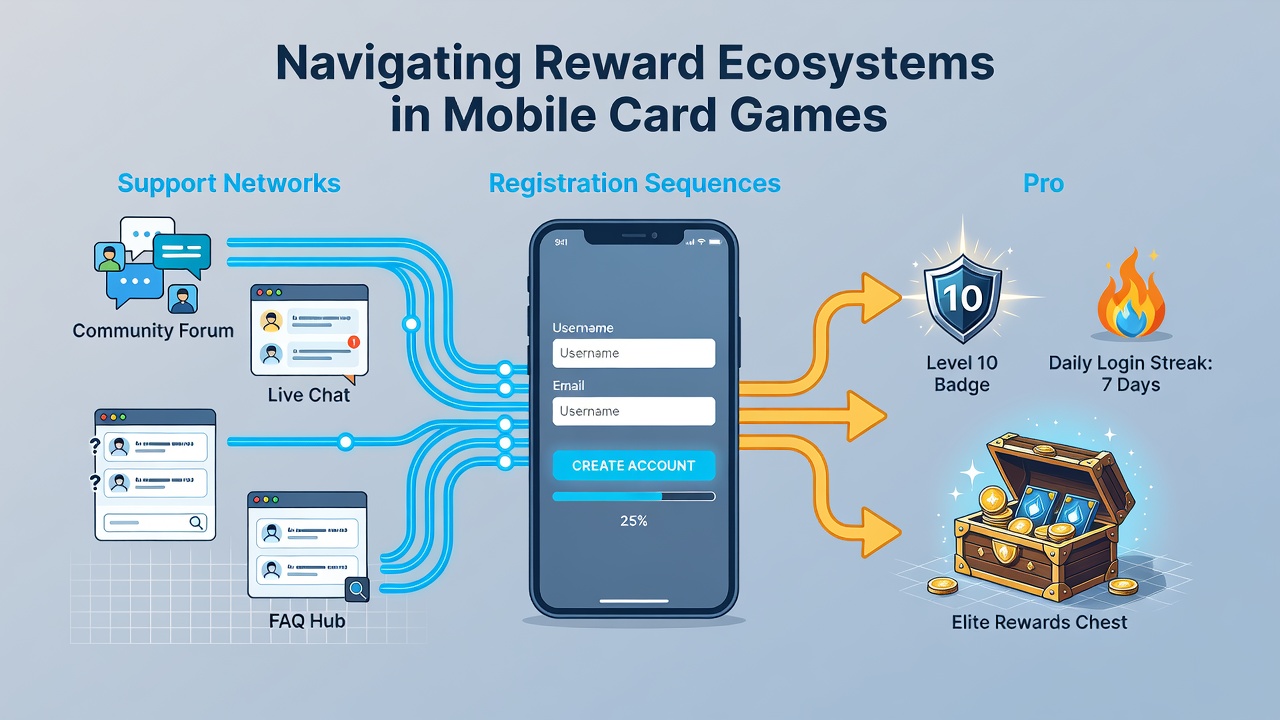
These networks extend beyond immediate problem-solving to include educational resources on rule nuances, deposit strategies, and tier advancement criteria, enabling users to optimize their engagement with reward structures. In June 2026, several major mobile card game providers updated their support protocols to incorporate AI-assisted initial responses that route complex inquiries to human specialists, streamlining the experience while maintaining accuracy in explanations of promotion eligibility and transaction processing.
Promotion Pathways and Advancement Structures
Promotion pathways build upon registration and support foundations by offering tiered rewards that progress from welcome bonuses through loyalty programs to elite VIP statuses, with each level unlocked via cumulative activity metrics like deposits, play volume, and engagement consistency. Data indicates that these pathways incorporate dynamic elements such as reload bonuses, cashback offers, and exclusive tournament entries that adapt based on user behavior tracked through the platform's analytics systems. Platforms structure these pathways with clear milestones, where reaching certain thresholds grants access to enhanced rewards while rule applications govern redemption processes and expiration timelines.
Observers note interconnections between support interactions and promotion success, as users who utilize chat services for clarification on terms often navigate advancement more efficiently than those relying solely on self-service options. External factors like payment method choices influence pathway speed, with certain gateways enabling faster bonus credits compared to others, and seasonal events in mid-2026 have introduced limited-time pathways that tie mobile-specific achievements to broader reward escalations.
Integration Across Mobile Card Game Ecosystems
Interwoven elements of registration sequences, support networks, and promotion pathways create cohesive reward ecosystems where each component reinforces the others, allowing players to transition smoothly from initial entry to sustained advancement. Security protocols embedded throughout these systems protect transaction channels and elite status pathways, with encryption standards and compliance measures ensuring data integrity across smartphone-enabled card tournaments and ring games. Those who've examined platform architectures report that successful navigation often depends on understanding how deposit dynamics feed into loyalty tracking, which in turn triggers support-assisted adjustments for optimal promotion outcomes.
Conclusion
The reward ecosystems in mobile card games demonstrate systematic linkages that reward methodical engagement with registration, support utilization, and promotion tracking, resulting in structured opportunities for users who align their activities with platform rules and timelines. As developments continue into 2026, these systems evolve through technological integrations that maintain focus on security, accessibility, and compliance while expanding options for participants across diverse card game formats.